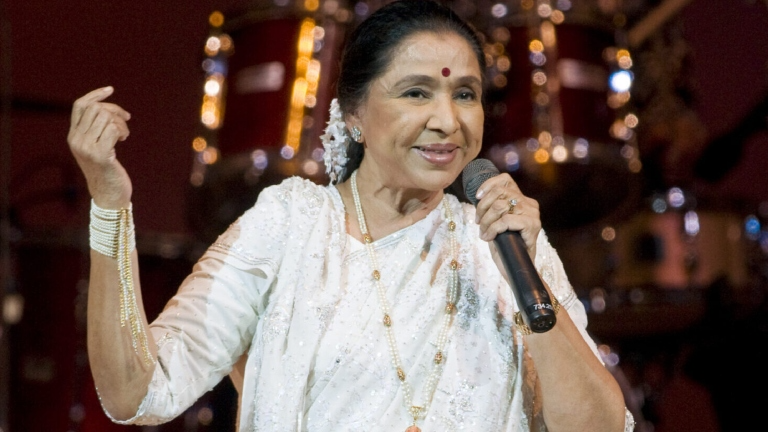
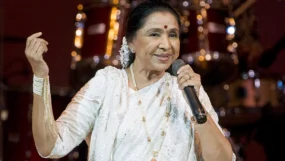
India is mourning the loss of Asha Bhosle, who passed away on April 12, 2026, at the age of 92. With a career spanning over eight decades (1943–2026), she remains one of the most prolific and versatile voices in the history of world music. From cabaret and pop to ghazals and classical compositions, Asha Ji effortlessly moved across genres, recording over 12,000 songs in more than 20 languages. She was officially recognised by the Guinness Book of World Records as the most recorded artist in music history.
7 Songs That Define Asha Bhosle’s Extraordinary Legacy
Abhi Na Jao Chhod Kar (Hum Dono, 1961)
In this timeless romantic duet, Asha Bhosle’s voice brings softness and emotional restraint that perfectly complements the yearning in the lyrics. While she shared vocals with Mohammed Rafi, Asha’s delicate expressions elevate the song’s playful intimacy. Even before her iconic phase with R.D. Burman, this track showcased her ability to infuse subtle emotion into melody, making it one of Hindi cinema’s most cherished love songs.
Chura Liya Hai Tumne Jo Dil Ko (Yaadon Ki Baaraat, 1973)
This song stands as one of the finest examples of Asha Bhosle and R.D. Burman’s magical synergy. Her silky, almost whisper-like vocals glide effortlessly over Pancham Da’s innovative composition, marked by the iconic glass-tinkling intro. Asha’s control and charm gave the song its dreamy, romantic aura, turning it into an evergreen classic.
Dum Maaro Dum (Hare Rama Hare Krishna, 1971)
Bold, rebellious, and unforgettable, this track redefined Asha Bhosle’s image as a singer unafraid to experiment. Under R.D. Burman’s psychedelic composition, her voice carried a hypnotic edge that perfectly captured the counterculture vibe of the era. Asha didn’t just sing this song; she embodied its attitude, making it a cultural phenomenon.
Piya Tu Ab To Aaja (Caravan, 1971)
Perhaps one of her most iconic performances, this cabaret number showcased Asha Bhosle at her most daring. Collaborating again with R.D. Burman, she brought unmatched energy, sensuality, and vocal innovation to the track. Her breathy expressions and playful improvisations turned the song into a defining moment in Bollywood music history.
Aao Na Gale Lag Jao Na (Mere Jeevan Saathi, 1972)
In this sensuous melody, Asha Bhosle’s voice strikes a perfect balance between playfulness and romance. Backed by R.D. Burman’s rich composition, she delivers a performance filled with nuance and emotional texture. The song highlights her ability to make even the most stylised compositions feel intimate and personal.
Dil Cheez Kya Hai (Umrao Jaan, 1981)
This ghazal stands as a testament to Asha Bhosle’s classical depth and versatility. Moving away from her R.D. Burman collaborations, she embraced a more traditional style under Khayyam’s composition. Her refined, graceful delivery brought life to the poetry, earning her a National Award and cementing her place among the greatest vocalists in Indian cinema.
Hungama Ho Gaya (Anhonee, 1973)
With its playful, high-energy vibe, this track captures Asha Bhosle’s effortless command over rhythm and expression. Her dynamic vocals elevate the song’s mischievous tone, proving her ability to dominate even the most upbeat compositions. The track also reflects the evolving soundscape of the 70s, a space where Asha thrived.
From romance to rebellion, from ghazals to cabaret, Asha Bhosle’s voice defined eras, moods, and memories. Her partnership with R.D. Burman remains one of the most influential collaborations in Indian music history, but beyond that, it was her fearless versatility that made her truly timeless.
For more news and updates from the entertainment world, stay tuned to Bollywood Bubble.
Also Read: Asha Bhosle No More; Legendary Singer Dies At 92, Funeral To Take Place Tomorrow

Varsha Tiwari is a budding content writer passionate about Bollywood, pop culture, and the stories behind the spotlight. She enjoys breaking down trends, celebrity moments, and film narratives into engaging, reader-friendly content. Always curious and observant, she is currently pursuing a Master’s in Communication and Journalism. Outside of writing, she enjoys painting because storytelling doesn’t always need words to make an impact.
Related Posts
Aayush Sharma REACTS To Misquoted Remarks On Salman Khan; Says, “Clickbait Ke Liye Creative Hone Ki Zaroorat Nahi”
Rashmika Mandanna Danced ‘Crazily’ To Salman Khan Songs At Her Wedding With Vijay Deverakonda; Reveals DJ Ganesh

Nora Fatehi BREAKS SILENCE On ‘Feminism F***** Our Society’ Remark; Says, “People Miss The Context”
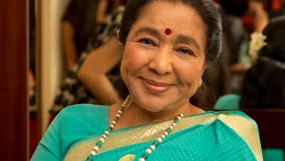
Asha Bhosle No More; Legendary Singer Dies At 92, Funeral To Take Place Tomorrow
Recent Post
- Kritika Kamra- Gaurav Kapur Reception: Malaika Arora, Vidya Balan, Richa Chadda And Many Celebs Attend The Newlyweds’ Star-Studded Celebration
- Ramesh Taurani Diwali Party 2025: Hrithik Roshan-Saba Azad, Riteish-Genelia Deshmukh, Sonakshi Sinha-Zaheer Iqbal And Other Bollywood Celebs Glam Up Ahead Of Festivities
- Manish Malhotra Diwali Party 2025: Nita Ambani, Radhika Merchant, Kareena Kapoor, Karan Johar And Other Bollywood Celebs Dazzle In Their Festive Finest
- The Ba***ds Of Bollywood Screening: Ranbir Kapoor-Alia Bhatt, Vicky Kaushal, Ambanis And Many More Celebs Step Out In Style To Support Aryan Khan’s Directorial Debut

- Son Of Sardaar 2 Screening: Mrunal Thakur, Ravi Kishan, Kubbra Sait, And Other Bollywood Celebs Attend Ajay Devgn’s Comedy Drama Premiere
- Metro…In Dino Screening: Aditya Roy Kapur, Sara Ali Khan, Anupam Kher, Neena Gupta And Other Bollywood Celebs Attend Anurag Basu’s Romantic Drama Premiere
- Naagin 6 Fame Simba Nagpal’s THESE Photos Prove He’s The Ultimate Adventure Junkie

- Met Gala 2025 Worst Dressed: ‘Basic’ Hailey Bieber To ‘Barbie’ Shakira And ‘Witchy’ Sadie Sink, 12 Celebs Who Pissed The Fashion Police

- Met Gala 2025 Best Dressed: Pregnant Rihanna To Princey Diljit Dosanjh And Mesmerizing Jodie Turner-Smith, 12 Celebs Who Wowed Us With Their Fashion
- Phule Special Screening: Javed Akhtar, Rajkummar Rao, Huma Qureshi And Other Celebs Arrive To Support Pratik Gandhi, Patralekhaa-Led Biopic

Read More



Follow us
© 2026. All rights are reserved with DeepDive Digital Pvt Ltd