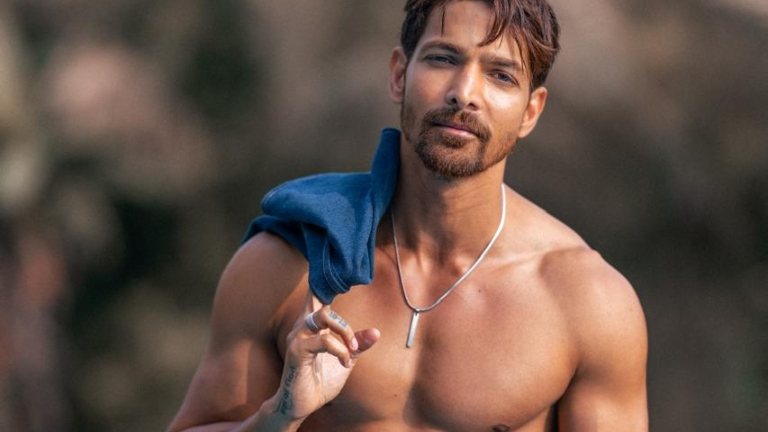
What is it that keeps a career in films going? Is it talent or the capacity to keep turning up long after the applause? This is a question that extends well beyond cinema. Every profession has its prodigies and overnight successes, but time often has a different story to tell. The people who endure are not always the most gifted. More often than not, they are the ones who continue moving forward when recognition is delayed, opportunities dry up and the world quietly shifts its attention elsewhere.
Hindi cinema is no different. Every year introduces a fresh crop of actors, every Friday creates new stars and every social media trend promises the next big thing. Yet, if one were to study careers over a decade instead of a weekend, a different pattern begins to emerge. Longevity has less to do with flashes of brilliance and more to do with the willingness to outlast disappointment. Harshvardhan Rane’s journey offers an interesting way of looking at that idea.
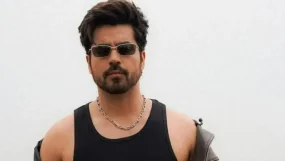
Harshvardhan Rane – A Reminder That Resilience Matters As Much As Talent
He made his Hindi debut with Sanam Teri Kasam in 2016 and you could tell he had the screen presence of a leading man. His portrayal of Inder struck a chord, but the film didn’t translate that appreciation into immediate box office success. For many actors, such a beginning can become a frustrating turning point—the promise is visible, but the opportunities don’t necessarily follow.
What happened next perhaps says more about his career than the film itself.
Instead of waiting for another romantic lead to arrive, Rane kept working. He joined JP Dutta’s Paltan, explored a darker, more intense space with Bejoy Nambiar’s Taish, and made his presence felt in Haseen Dillruba. None of these films dramatically altered his standing in the industry overnight. Yet each role quietly expanded the perception of what he could do. These were not career-defining moments in themselves, but together they built up a body of work that showed range, discipline and consistency.
Meanwhile, the industry continued to grow. Streaming services changed the way people consumed content. Tastes changed. New actors emerged almost every Friday, while social media began dictating conversations at a pace few could keep up with. In such an environment, remaining relevant without a blockbuster every year is perhaps an achievement in itself.
That is why Harshvardhan Rane’s current phase feels less like a comeback and more like the result of accumulated persistence. The renewed popularity of Sanam Teri Kasam, followed by Ek Deewane Ki Deewaniyat, has certainly brought him back into the spotlight. More importantly, producers now seem willing to look beyond the romantic hero they first saw. Projects such as Force 3 suggest they recognise an actor capable of carrying physically demanding, emotionally layered roles across genres.
Perhaps that is how careers are really built – not through a single defining success, but through dozens of decisions that seem insignificant until viewed together. Every project that doesn’t become a blockbuster still teaches an actor something. Every setback prepares them for an opportunity they cannot yet see.
We often mistake talent for the deciding factor because it is the easiest quality to notice. Resilience is quieter. It doesn’t trend on social media or dominate opening weekend headlines. It reveals itself only over time.
Maybe that is the more useful lesson hidden inside Harshvardhan Rane’s journey. Talent may earn someone their first opportunity, but attitude determines whether they are still standing when the next opportunity arrives.
And perhaps that is true not just of cinema, but of life itself.
For more news and updates from the entertainment world, stay tuned to Bollywood Bubble.
Also Read: Force 3: John Abraham, Harshvardhan Rane And Tanya Maniktala Begin Shooting; Action Saga To Release On THIS Date

With nearly 10 years of experience, Grinell Esther Jacinto is the Desk Head of Bollywood Bubble. Her interests lie in everything that is kaleshi and she loves to dig deeper into the lives of B-town actors. She has a problem though – she loves horror films but will have chills the minute the theatres lights dims. She’s previously worked with Koimoi, UrbanAsian and SpotboyE.
Related Posts
Tum Mere Ho Title Track Review: Gurmeet Choudhary, Isha Malviya Bring Love, Heartbreak And Longing To Life As Faiz’s Soulful Vocals Adds Conviction
Yami Gautam Received A ‘Big Fat Cheque’ For Dhurandhar 2 Cameo? Actress FINALLY Reveals How Much She Earned- Watch
Mishaps, Close Calls And Injuries – A Look At Bollywood’s On-Set Setbacks
From Quirky ‘Bhootni Ka’, Swag-Filled Rap ‘Choozay’ To The Soulful ‘Chann,’ Udta Teer’s Complete Music Album Is Here!
Recent Post
- Anshula Kapoor-Rohan Thakkar Wedding Reception: Boney, Anil, Sanjay, Arjun, Janhvi, Shanaya Kapoor And More Bollywood Celebs Arrive In Style
- Devil Wears Prada 2 Screening: Karan Johar, Rhea Chakraborty, Tamannaah Bhatia, Pratibha Ranta And Others Turn The Red Carpet Into A Fashion Extravagance
- Kritika Kamra- Gaurav Kapur Reception: Malaika Arora, Vidya Balan, Richa Chadda And Many Celebs Attend The Newlyweds’ Star-Studded Celebration
- Ramesh Taurani Diwali Party 2025: Hrithik Roshan-Saba Azad, Riteish-Genelia Deshmukh, Sonakshi Sinha-Zaheer Iqbal And Other Bollywood Celebs Glam Up Ahead Of Festivities
- Manish Malhotra Diwali Party 2025: Nita Ambani, Radhika Merchant, Kareena Kapoor, Karan Johar And Other Bollywood Celebs Dazzle In Their Festive Finest
- The Ba***ds Of Bollywood Screening: Ranbir Kapoor-Alia Bhatt, Vicky Kaushal, Ambanis And Many More Celebs Step Out In Style To Support Aryan Khan’s Directorial Debut

- Son Of Sardaar 2 Screening: Mrunal Thakur, Ravi Kishan, Kubbra Sait, And Other Bollywood Celebs Attend Ajay Devgn’s Comedy Drama Premiere
- Metro…In Dino Screening: Aditya Roy Kapur, Sara Ali Khan, Anupam Kher, Neena Gupta And Other Bollywood Celebs Attend Anurag Basu’s Romantic Drama Premiere
- Naagin 6 Fame Simba Nagpal’s THESE Photos Prove He’s The Ultimate Adventure Junkie
- Met Gala 2025 Worst Dressed: ‘Basic’ Hailey Bieber To ‘Barbie’ Shakira And ‘Witchy’ Sadie Sink, 12 Celebs Who Pissed The Fashion Police

Read More
Follow us
© 2026. All rights are reserved with DeepDive Digital Pvt Ltd