
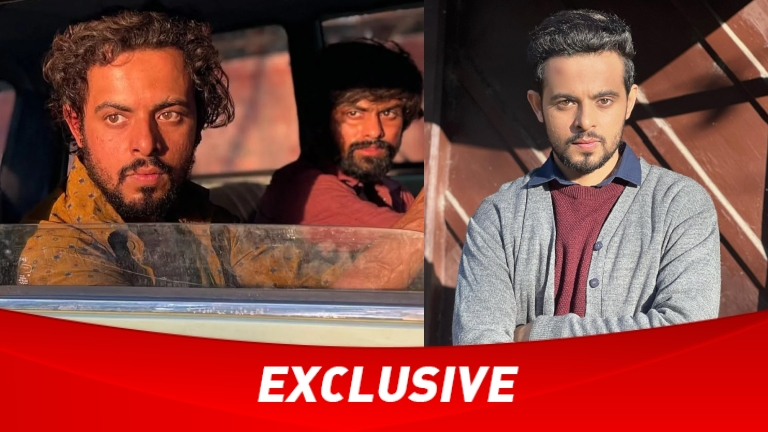
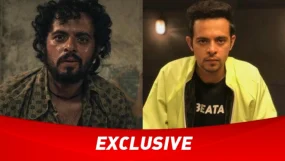
With OTT platforms often facing criticism over excessive violence and the need for stricter censorship, actor Akash Makhija has weighed in on the ongoing debate. In an exclusive interview with Bollywood Bubble, the actor spoke about the difference between depicting violence and glorifying it. He argued that certification systems already exist to help viewers make informed choices. He also stressed that creators should have the freedom to tell honest stories, provided violent scenes serve the narrative rather than sensationalise it. Akash explained why audiences should judge a show in its entirety instead of isolating individual scenes or moments taken out of context. Scroll down to read what she said and watch the full interview.
Akash Makhija Reflects On OTT Censorship, Violence Being Shown
When asked about OTT censorship and too much violence being shown, Akash Makhija said, “But now there are certifications on both platforms. OTT platforms now have certifications. Our show is certified because it has abusive language, violence, and everything else. Even on the big screen, films have had certifications for the longest time. So I think we have certifications on both sides. Yes, on OTT, you don’t know if, for example, your father is watching the show and a kid might just walk past the TV, sit down, and start watching. Aap usko kaise rokoge? Woh toh parents ke haath mein hai, I think.”
He continued, “But if makers are creating something and they want to tell an honest story, then whatever violence or scenes they are showing—if they are already telling you upfront that it’s an A-certified show—they’re giving you that disclaimer already, right? But yes, I think jo society mein ho raha hai, woh dikhana bhi chahiye. Usko glorify mat karo. Main yeh nahi keh raha ki, ‘Wow, this should be like this.’ No, it’s not that. But reality toh dikhani padegi. Jo ho raha hai, woh dikhana chahiye, I feel. In honest storytelling, if it involves violence or scenes that are required, and they are not glorifying it, then I think it’s okay to show them.”
Akash Makhija On How Shows Shouldn’t Glorify Violence
The actor continued, “Like in our show, there are many scenes. For example, when Babu kills Johnny, they haven’t actually shown him cutting or brutally attacking him on screen. And if you see what happened with Suman, that specific scene was implied rather than explicitly shown. But it’s not happening with the kid. No, it’s not happening with the kid. And this is what I’m saying—every scene has its own boundaries, and nowhere has it been glorified. It was never shown in a way that makes you say, ‘Wow, Babu killed someone like this.’ It’s absolutely not like that.”
Concluding, he said, “When a writer or creator writes something and wants the audience to experience the story as a whole, it’s their creative decision what to show and what not to show. We can’t judge one particular scene in isolation. We have to look at the entire show. The impact they wanted to create was to establish that Babu is such a dangerous and inhuman character. Otherwise, how would you convey that? You have to show it somehow. So, I think it’s really not about makers wanting to show violence. They want to show scenes that help you understand the character, and that’s honest storytelling.”
Akash Makhija is currently enjoying the success of Raakh and Gram Chikitsalay S2.
For more news and updates from the entertainment world, stay tuned to Bollywood Bubble.
Also Read: EXCLUSIVE: Akash Makhija REACTS To Audience Becoming Extra Sensitive To Violent Content; Says, “Everyone Has An Opinion”

Akankshya Mukherjee is a dynamic and ambitious individual poised to make waves in the realm of Media and Communication. With a passion for creativity and a drive to contribute to forward-thinking organizations, Akankshya embodies adaptability and a hunger for learning. Having already garnered experience through involvement in various organizations, she has honed the skill of quickly adapting to new environments and challenges. She sees each opportunity as a chance for personal and professional growth, eagerly embracing roles in communications and content writing.
Related Posts

EXCLUSIVE: ‘Lala Hardayal’ Neil Bhoopalam Reveals Why He Said Yes To The Revolutionaries, Admits, “It’s Very Difficult To Understand Their Choice”

EXCLUSIVE: Vedika Pinto Reveals Details Of Her Upcoming Dharma Film With Lakshya; Says, “My Heart Rate Has Never Been As High As When I Read This”

Bigg Boss 20 EXCLUSIVE: Kriti Verma Stands Up For Aman Gandhi Amid Amrapali Dubey’s ‘Downright Embarrassing’ Behaviour, Slams Latter, “There’s A Difference Between Being Blunt And Insensitive”

EXCLUSIVE: Trupti Khamkar Gets Candid About Bagging Meghna Gulzar’s Daayra And The Role Kareena Kapoor Khan-Led Crew Had In It
Recent Post
- Anshula Kapoor-Rohan Thakkar Wedding Reception: Boney, Anil, Sanjay, Arjun, Janhvi, Shanaya Kapoor And More Bollywood Celebs Arrive In Style

- Devil Wears Prada 2 Screening: Karan Johar, Rhea Chakraborty, Tamannaah Bhatia, Pratibha Ranta And Others Turn The Red Carpet Into A Fashion Extravagance

- Kritika Kamra- Gaurav Kapur Reception: Malaika Arora, Vidya Balan, Richa Chadda And Many Celebs Attend The Newlyweds’ Star-Studded Celebration

- Ramesh Taurani Diwali Party 2025: Hrithik Roshan-Saba Azad, Riteish-Genelia Deshmukh, Sonakshi Sinha-Zaheer Iqbal And Other Bollywood Celebs Glam Up Ahead Of Festivities
- Manish Malhotra Diwali Party 2025: Nita Ambani, Radhika Merchant, Kareena Kapoor, Karan Johar And Other Bollywood Celebs Dazzle In Their Festive Finest

- The Ba***ds Of Bollywood Screening: Ranbir Kapoor-Alia Bhatt, Vicky Kaushal, Ambanis And Many More Celebs Step Out In Style To Support Aryan Khan’s Directorial Debut

- Son Of Sardaar 2 Screening: Mrunal Thakur, Ravi Kishan, Kubbra Sait, And Other Bollywood Celebs Attend Ajay Devgn’s Comedy Drama Premiere
- Metro…In Dino Screening: Aditya Roy Kapur, Sara Ali Khan, Anupam Kher, Neena Gupta And Other Bollywood Celebs Attend Anurag Basu’s Romantic Drama Premiere
- Naagin 6 Fame Simba Nagpal’s THESE Photos Prove He’s The Ultimate Adventure Junkie

- Met Gala 2025 Worst Dressed: ‘Basic’ Hailey Bieber To ‘Barbie’ Shakira And ‘Witchy’ Sadie Sink, 12 Celebs Who Pissed The Fashion Police



Read More



Follow us
© 2026. All rights are reserved with DeepDive Digital Pvt Ltd