
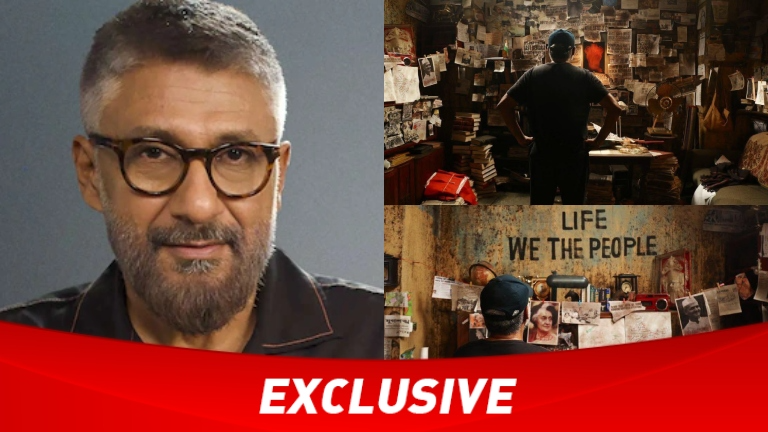
Vivek Agnihotri’s The Bengal Files -a political propaganda drama focused on the Direct Action Day and the Noakhali riots, created quite a stir upon its theatrical release. Starring Mithun Chakraborty, Pallavi Joshi, Darshan Kumar, Anupam Kher and Simrat Kaur in pivotal roles, the film earned a gross total of Rs 16. 19 crores at the worldwide box office.
The film – which is the third and final installment in Agnihotri’s The Files Trilogy, is all set to release digitally this Friday, November 21 on ZEE5. Ahead of its digital premiere, the filmmaker exclusively opened up about why he choose to tell this story and the challenges he faced during its extensive research period. Read on to know all he shared.
Vivek Agnihotri: Direct Action Day Turned Out To Be One Of The Most Brutal Genocides Of Our Time
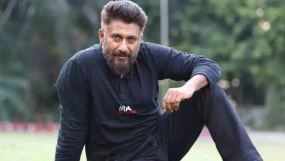
When asked what compelled him and his team to talk about the partition of Bengal and bring a film like The Bengal Files to the big screen, Vivek Agnihotri shared, “We were researching for our next film, the final part of the trilogy and, like everyone else, we initially began exploring the Punjab side of Partition. But as we dug deeper, we discovered that the foundation of India’s Partition was actually laid in Bengal, not Punjab. Bengal was also the only state to be partitioned twice: first in 1905 and then again in 1947.”
He continued, “What shocked us even more was realizing that Independence may not have resulted in Partition at all if not for Direct Action Day. And that day turned out to be one of the most brutal genocides of our time. Around 40,000 people were killed in just two nights, and the streets of Kolkata had human carcasses lying for over a month because there was no one left to clean them, most sanitation workers had been killed. It was a horrifying experience going through this research, and that’s when we knew this story of Direct Action Day had to be told.”
Vivek Agnihotri Recalls Challenges Faced During The Bengal Files’ Research
While talking about the film requiring extensive historical investigation and the challenges he and his teamed faced during its research period, Vivek shared, “Actually, when we were going through newspapers from that time, Indian, international, American, and British, there were a few images that struck me very badly. We have replicated them in the film exactly as they happened. These photographs were taken by Life magazine’s photojournalist named Margaret Bourke-White, and one of them has stayed with me: a street filled entirely with skeletons and human bodies, vultures sitting on top of them, eating whatever flesh was left and among them, there were small children.”
He added, “That single image represented the entire tragedy for us. It became the starting point of our journey – one that pushed us to go deeper into the research and eventually make this film.”
For more news and updates from the entertainment world, stay tuned to Bollywood Bubble.
Also Read: Vivek Ranjan Agnihotri’s The Bengal Files Screened At The National Library Of India In Kolkata; Filmmaker Says, “Its A Matter Of Great Joy”

With nearly 10 years of experience, Grinell Esther Jacinto is the Desk Head of Bollywood Bubble. Her interests lie in everything that is kaleshi and she loves to dig deeper into the lives of B-town actors. She has a problem though – she loves horror films but will have chills the minute the theatres lights dims. She’s previously worked with Koimoi, UrbanAsian and SpotboyE.
Related Posts
Haiwaan First Song Mere Hero Hai Woh Out! Saif Ali Khan, Pahal Chaudhary’s Track Overflows With Heart And Innocence- Watch
Sunita Ahuja Withdraws Divorce Case Against Husband Govinda; Visits Family Court
Mahakavya Shri Ramayan Katha: Netizens Call Out Anjali Arora’s Casting As Mata Sita; Dub It, ‘Cruel Joke, Blasphemy’
Kartik Aaryan Sustains Severe Knee Injury On Kabir Khan’s Film Set; To Undergo Surgery- Report
Recent Post
- Anshula Kapoor-Rohan Thakkar Wedding Reception: Boney, Anil, Sanjay, Arjun, Janhvi, Shanaya Kapoor And More Bollywood Celebs Arrive In Style

- Devil Wears Prada 2 Screening: Karan Johar, Rhea Chakraborty, Tamannaah Bhatia, Pratibha Ranta And Others Turn The Red Carpet Into A Fashion Extravagance

- Kritika Kamra- Gaurav Kapur Reception: Malaika Arora, Vidya Balan, Richa Chadda And Many Celebs Attend The Newlyweds’ Star-Studded Celebration

- Ramesh Taurani Diwali Party 2025: Hrithik Roshan-Saba Azad, Riteish-Genelia Deshmukh, Sonakshi Sinha-Zaheer Iqbal And Other Bollywood Celebs Glam Up Ahead Of Festivities
- Manish Malhotra Diwali Party 2025: Nita Ambani, Radhika Merchant, Kareena Kapoor, Karan Johar And Other Bollywood Celebs Dazzle In Their Festive Finest

- The Ba***ds Of Bollywood Screening: Ranbir Kapoor-Alia Bhatt, Vicky Kaushal, Ambanis And Many More Celebs Step Out In Style To Support Aryan Khan’s Directorial Debut

- Son Of Sardaar 2 Screening: Mrunal Thakur, Ravi Kishan, Kubbra Sait, And Other Bollywood Celebs Attend Ajay Devgn’s Comedy Drama Premiere
- Metro…In Dino Screening: Aditya Roy Kapur, Sara Ali Khan, Anupam Kher, Neena Gupta And Other Bollywood Celebs Attend Anurag Basu’s Romantic Drama Premiere
- Naagin 6 Fame Simba Nagpal’s THESE Photos Prove He’s The Ultimate Adventure Junkie
- Met Gala 2025 Worst Dressed: ‘Basic’ Hailey Bieber To ‘Barbie’ Shakira And ‘Witchy’ Sadie Sink, 12 Celebs Who Pissed The Fashion Police

Read More
Follow us
© 2026. All rights are reserved with DeepDive Digital Pvt Ltd